
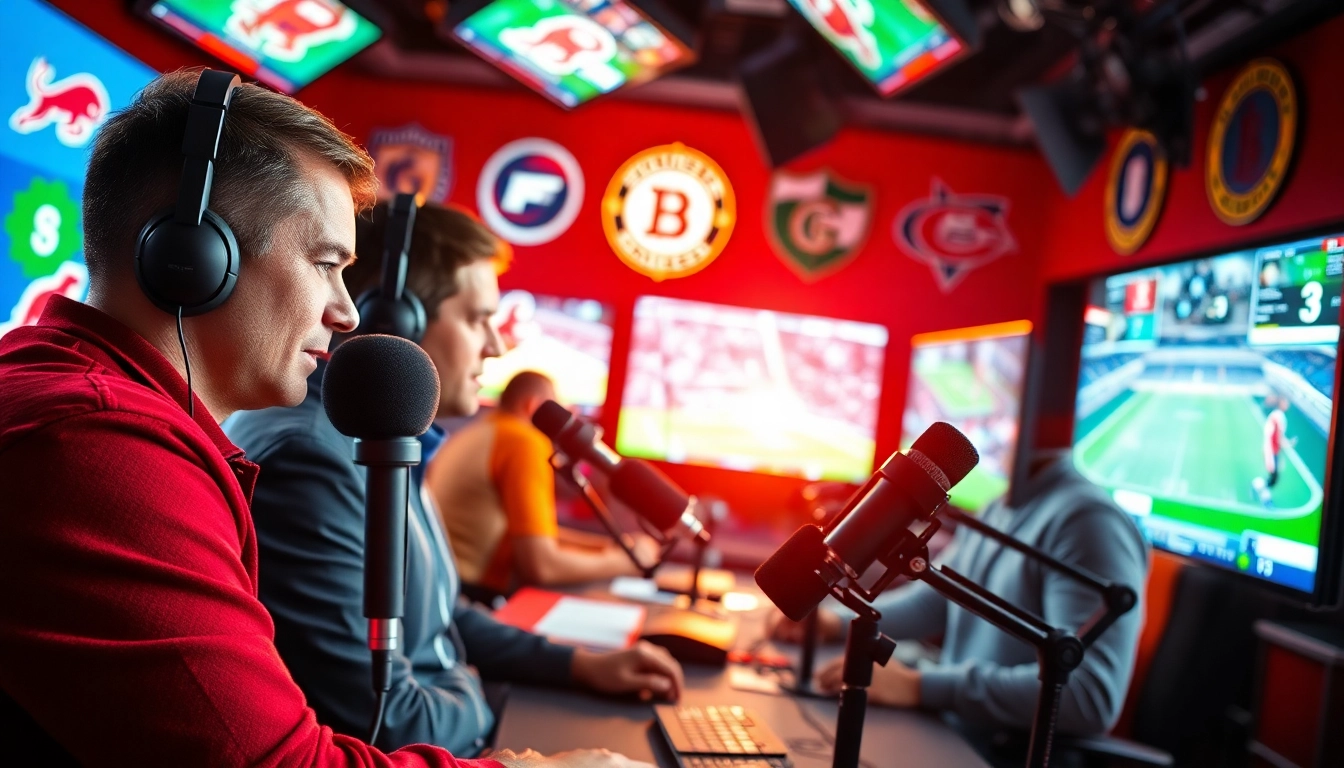
Introduction to Sports Broadcasting
Sports broadcasting plays a significant role in how audiences engage with their favorite teams and athletes. The melding of technology and media has transformed the landscape, allowing sports enthusiasts to experience games like never before. The evolution of Sports Broadcasting has made it more accessible, engaging, and integrated with our daily lives. In this article, we explore the ins and outs of sports broadcasting, its historical context, current trends, challenges, and potential future developments.
Defining Sports Broadcasting
Sports broadcasting refers to the transmission of sporting events through various media formats. This includes live television coverage, radio broadcasts, and increasingly, digital platforms such as streaming services and social media. It encompasses not only the play-by-play commentary of games but also analyses, pre-game and post-game shows, and more. The goal is to deliver compelling live sports content to audiences who wish to support their teams and enjoy the thrill of competition.
Importance of Sports Broadcasting in Today’s Media
The role of sports broadcasting has grown tremendously in recent years. It has become a primary way for sports leagues to reach audiences, generate revenue, and build brand loyalty. Major sporting events often draw massive viewership numbers, impacting advertising revenues and sponsorship opportunities significantly. This importance is compounded by the shift towards digital platforms that offer fans instant access to live events and highlights, allowing for greater community engagement and discussion.
Key Technologies in Sports Broadcasting
Modern sports broadcasting has been bolstered by a range of technologies that enhance viewer experiences. High-definition (HD) and ultra-high-definition (UHD) broadcasting provide stunning clarity of visuals. Moreover, technologies such as augmented reality (AR) and virtual reality (VR) are beginning to transform how audiences consume sports, allowing them to feel like part of the action. Additionally, advancements in mobile technologies and social media integration have ushered in an era of on-the-go sports consumption, catering to the needs of today’s consumers.
Historical Perspectives on Sports Broadcasting
Evolution of Sports Broadcasting Over the Decades
The origins of sports broadcasting can be traced back to the early 20th century when radio broadcasts began relaying sports events to listeners. As television became a dominant medium in the mid-20th century, sports programming surged, with networks vying for broadcasting rights to coveted games and tournaments. The advent of cable networks, the internet, and now streaming services has further diversified how sports are consumed. Today, one can access live games virtually anywhere, showcasing the dramatic shift in how sports broadcasting has evolved through technological advancement.
Influence of Major Events on Broadcasting Style
Major sporting events significantly influence broadcasting styles and techniques. For instance, the Super Bowl has set unprecedented standards for production quality and advertising creativity. The Olympics have introduced multi-platform broadcasting, allowing viewers to switch between different events and cameras effortlessly. These events often serve as testing grounds for new technologies, thus continually shaping the future of how sports are broadcast.
Noteworthy Milestones in Sports Broadcasting History
Several milestones define the journey of sports broadcasting. The first-ever televised baseball game in the 1930s marked a pivotal moment in history, setting the stage for televised sports programming. The introduction of color broadcasts in the 1960s made viewing experiences more engaging, while the 1980s saw networks employing innovative camera angles and slow-motion replays. More recently, the rise of social media and mobile streaming has revolutionized how audiences interact with sports content, emphasizing viewer involvement and instant feedback.
Current Trends in Sports Broadcasting
Impact of Streaming on Sports Broadcasting
The rise of streaming services has dramatically transformed sports broadcasting. These platforms provide viewers with flexibility, allowing them to watch games on various devices, unlike traditional cable models. Companies such as those offering subscription-based services have begun acquiring broadcasting rights to popular leagues and events, thus shaping the future of how sports content is consumed and monetized.
Integration of Social Media in Broadcasting
Social media has become an integral part of sports broadcasting. Platforms like Twitter, Facebook, and Instagram provide outlets for real-time fan engagement, while also serving as additional channels for delivering highlights and exclusive content. Furthermore, social media influences how games are marketed and promoted, allowing broadcasters to cultivate fan relationships and enhance community engagement.
Audience Engagement Strategies in Sports Broadcasting
Engaging audiences in sports broadcasting involves various strategies such as interactive content, gamification, and targeted marketing campaigns. Broadcasters are increasingly utilizing apps with features like live polling, real-time statistics, and viewer-generated content to make the viewing experience more interactive. Engaging fans by offering unique insights and behind-the-scenes content also enhances viewer loyalty and community building.
Challenges in Sports Broadcasting
Regulatory and Licensing Issues
Sports broadcasting faces numerous regulatory and licensing challenges. Networks and streaming services must navigate complex agreements to secure rights to broadcast sports events, which often entails negotiations with leagues and governing bodies. Additionally, regulatory concerns surrounding international streaming rights complicate the availability of content across borders, hindering availability and competitiveness.
Adapting to Technological Changes
Staying current with technological advancements is a double-edged sword in sports broadcasting. While new technologies can enhance viewer experience, broadcasters must invest in expensive infrastructures and training to leverage these innovations. Additionally, the rapid rate of technological change means that what works today may become obsolete tomorrow, necessitating constant adaptation and re-evaluation of broadcasting strategies.
Maintaining Viewer Interest and Engagement
In an era saturated with content, maintaining viewer interest is one of the most pressing challenges for sports broadcasters. They must consistently provide high-quality and engaging content while competing against an ever-expanding universe of entertainment options. Compelling storytelling, innovative programming, and fostering a strong sense of community through interactive features can help broadcasters retain audiences.
The Future of Sports Broadcasting
Predicting Changes in Broadcasting Technologies
The future of sports broadcasting is likely to be characterized by further technological integration. Innovations such as AI-driven analyses, enhanced streaming technologies, and immersive viewing experiences through VR and AR are predicted to become more mainstream. As these technologies mature, they will create opportunities for broadcasters to reach and engage audiences like never before.
Trends Affecting Audience Consumption
Subscriber-based streaming services are shaping audience consumption trends, with a noticeable shift towards on-demand viewing experiences. This will likely alter the traditional live sports broadcasting model, prompting networks to innovate how they engage viewers through interactive features and personalized content offerings. The balance between live events and recorded content will continue to shift as consumer preferences evolve.
The Role of Data Analytics in Future Sports Broadcasting
Data analytics will play an increasingly vital role in sports broadcasting. By collecting and analyzing viewer data, broadcasters can tailor content and marketing strategies to specific audience segments. Organizations will leverage analytics for real-time insights, enabling them to adjust broadcasts for maximum engagement. Furthermore, enhancing live statistics and analytics during broadcasts can deepen fan understanding and appreciation of the games.
Frequently Asked Questions
What is sports broadcasting?
Sports broadcasting is the live transmission of sports events through various media channels like television, radio, and online streaming, offering commentary and analysis.
How has streaming changed sports broadcasting?
Streaming has made sports more accessible, allowing viewers to watch games on-demand across devices, challenging traditional cable broadcasting models.
What technologies are reshaping sports broadcasting?
Technologies such as HD/UHD broadcasting, AR, VR, and mobile apps are enhancing viewer experiences by providing interactive and immersive content.
What challenges does sports broadcasting face today?
Challenges include navigating regulatory and licensing issues, keeping up with rapid technological advancements, and maintaining viewer interest in a crowded content landscape.
What does the future hold for sports broadcasting?
The future of sports broadcasting will see more technological integration, personalized content through data analytics, and shifts towards on-demand viewing experiences.