
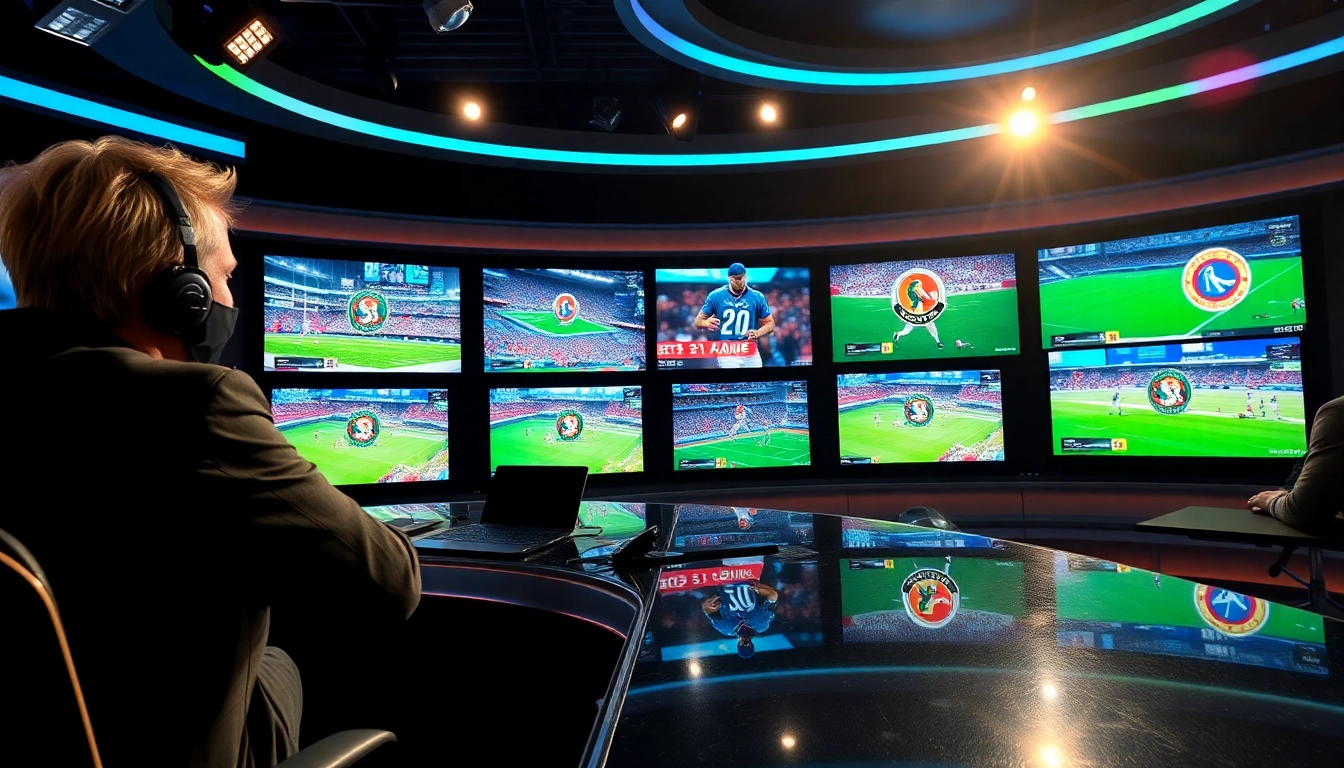
Understanding the Basics of Sports Broadcasting
What is Sports Broadcasting?
Sports broadcasting refers to the transmission of live sports events through various media platforms, including television, radio, and the internet. This domain connects fans to their favorite teams and athletes, creating a shared experience. The evolution of Sports Broadcasting has transformed how enthusiasts consume sports, allowing for unprecedented access and interaction.
Essential Equipment for Sports Broadcasting
The success of sports broadcasting relies heavily on advanced equipment. Essential tools include high-definition cameras, microphones, streaming software, and audio-visual mixing consoles. High-quality cameras ensure clear visuals of the action, while microphones capture commentary and ambient sounds. With the rise of live streaming, portable broadcasting kits have become popular, enabling crews to cover events from diverse locations without sacrificing quality.
The Role of Technology in Sports Broadcasting
Technology is at the heart of modern sports broadcasting. Innovations such as augmented reality (AR), virtual reality (VR), and drone technology have changed how fans engage with live events. AR enhances the viewing experience by providing real-time stats and player info, while VR immerses fans in the action. Additionally, analytics tools are used to deliver insightful commentary, making broadcasts more informative and enjoyable.
The Evolution of Sports Broadcasting
Historical Milestones in Sports Broadcasting
Initially, sports broadcasts were limited to radio, offering fans an audio-only experience. The introduction of television changed the landscape, bringing visuals to audiences’ living rooms. Milestones, such as the first televised baseball game in the 1930s, marked significant progress. The digital age brought forth online streaming platforms, allowing for global access to events and real-time commentary across various devices.
Changes in Audience Engagement
Audience engagement has evolved dramatically with the advent of social media and second-screen experiences. Fans can now interact with fellow viewers and commentators in real-time during events. Networks increasingly focus on creating a two-way communication channel, utilizing platforms like Twitter and Instagram. This shift not only engages viewers but also allows broadcasters to gather feedback, helping tailor future content.
Impact of Streaming on Traditional Broadcasting
Streaming has revolutionized the way sports are consumed, leading to a decline in traditional cable subscriptions. Viewers prefer on-demand content, prompting networks to adapt their strategies. While cable TV remains popular, many broadcasters now offer online streaming options, catering to the growing audience that seeks flexibility and accessibility. This shift challenges traditional broadcasters to compete effectively in a fast-paced digital landscape.
Challenges in Sports Broadcasting
Addressing Technical Difficulties
Technical difficulties can disrupt live broadcasts and impact viewer perceptions. Issues like equipment failure or transmission errors require proactive planning and troubleshooting protocols. Having backup equipment and a skilled technical team ensures that broadcasts can continue smoothly, even in the face of unexpected challenges. Regular equipment maintenance and testing are crucial to minimize risks.
Navigating Legal Regulations
Sports broadcasting operates under strict legal guidelines, including broadcasting rights and regulations concerning the use of copyrighted materials. Broadcasters must navigate these legal hurdles carefully to avoid costly penalties. Understanding local laws and having proper licensing agreements in place safeguards against infringement issues, ensuring compliance with both national and international regulations.
Managing Audience Expectations
As the landscape of sports broadcasting evolves, so do audience expectations. Fans expect high-quality production, engaging commentary, and insightful analysis. Broadcasters must remain attuned to viewer preferences and trends. This ongoing engagement can be supported through surveys, focus groups, and audience analytics, allowing networks to refine their content strategies and meet or exceed fan expectations.
Advanced Techniques in Sports Broadcasting
Utilizing Data Analytics for Enhanced Commentary
Data analytics plays a crucial role in enriching sports commentary. Broadcasters leverage vast amounts of data to provide deeper insights into performance metrics, player statistics, and historical comparisons. This information allows commentators to deliver real-time analysis that enhances the audience’s understanding of the game. By integrating data-driven insights with traditional commentary, broadcasters create a more engaging viewing experience.
Creating Interactive Sports Broadcasting Experiences
Interactive broadcasting is gaining momentum as networks seek to engage audiences more dynamically. This approach includes interactive polls, live Q&A sessions, and gamified elements that encourage viewer participation. Additionally, features such as multi-view options allow fans to customize their viewing experience, selecting different perspectives or feeds during live events, fostering a sense of control and involvement.
Innovations in Visual Storytelling
Effective storytelling in sports broadcasting is enhanced through innovative visual techniques. Technologies like high-speed cameras, 3D graphics, and motion tracking not only increase the aesthetic value of broadcasts but also improve the storytelling process. Broadcasters can highlight key moments, such as player interactions or critical plays, providing a unique perspective that resonates with audiences and draws them into the narrative of the game.
Measuring Success in Sports Broadcasting
Key Performance Indicators for Sports Broadcasting
Measuring success in sports broadcasting involves analyzing various key performance indicators (KPIs). Metrics such as viewer ratings, engagement levels, and social media interactions provide valuable insights into audience behavior. Analyzing these metrics allows broadcasters to assess the effectiveness of their strategies and make informed decisions about future content and delivery methods.
Gathering Audience Feedback and Insights
Collecting audience feedback is essential for continuous improvement in sports broadcasting. Surveys, social media interactions, and direct viewer feedback help networks understand viewer preferences. By actively soliciting input and analyzing responses, broadcasters can adapt content to better match audience interests, enhancing viewer loyalty and satisfaction over time.
Adapting Strategies Based on Performance Metrics
Adaptability is key to success in sports broadcasting. By regularly reviewing performance metrics, networks can identify trends and areas for improvement. This proactive approach allows for timely adjustments in programming, content delivery, and audience engagement strategies. Adapting to emerging trends not only meets current audience needs but also positions broadcasters for future success.
FAQs about Sports Broadcasting
What are the main formats of sports broadcasting?
The main formats of sports broadcasting include live television broadcasts, radio broadcasts, and online streaming options, with each offering unique viewer experiences.
How has streaming changed sports broadcasting?
Streaming has expanded access to sports content, allowing viewers to watch events on demand and interact more dynamically, shifting focus away from traditional cable TV.
What role does social media play in sports broadcasting?
Social media enhances audience engagement by allowing real-time interaction during broadcasts, enabling fans to connect with commentators and each other while sharing their experiences.
What technology is essential for quality sports broadcasting?
Essential technology includes HD cameras, microphones, broadcasting software, and graphics tools to ensure high-quality production and viewer satisfaction.
How do broadcasters measure audience engagement?
Broadcasters measure audience engagement through viewer ratings, social media interactions, audience surveys, and various analytics tools to assess performance.