
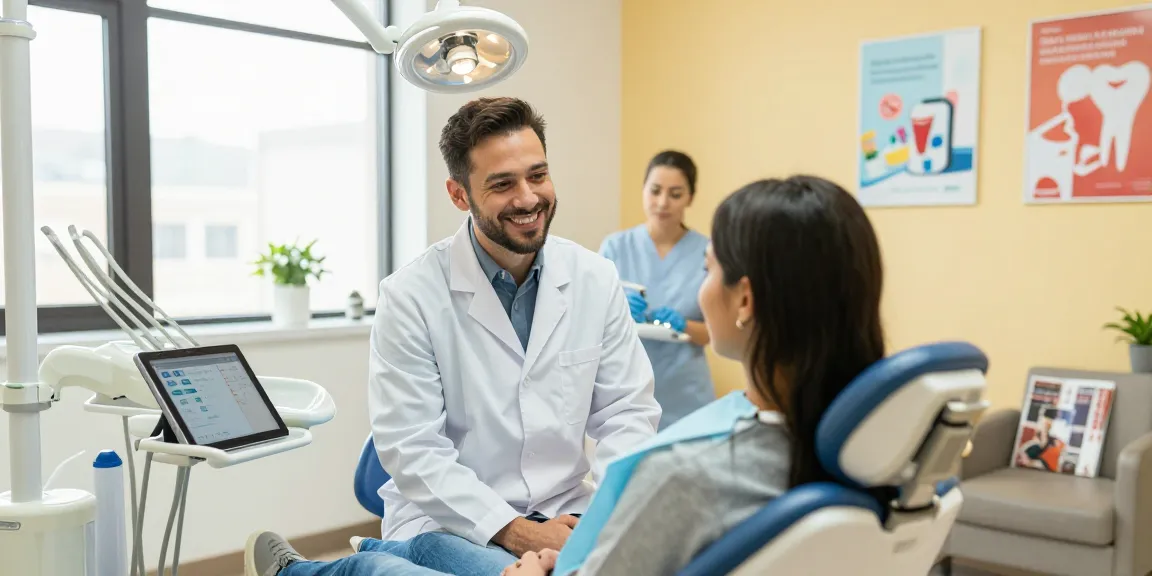
Understanding the Importance of Regular Dental Visits
Dental health is more than just a part of personal hygiene; it significantly affects overall well-being. Regular dental visits play a pivotal role in maintaining oral health, allowing for early detection of potential issues before they escalate into more serious conditions. From routine cleanings to preventative measures against cavities and gum disease, these appointments are essential to ensure your mouth stays healthy and your smile remains vibrant. To make your search more effective, you can visit dedicated platforms that help you find the best dentists in your area.
Why Consistent Check-ups Are Crucial for Oral Health?
Regular dental check-ups facilitate a proactive approach to oral care. They allow dental professionals to monitor your dental health continuously and address any concerns before they become significant. Most dental issues, such as cavities or gum disease, begin without noticeable pain or symptoms. Hence, consistent monitoring is critical.
- Early Detection: Catching problems like tooth decay or gingivitis at an initial stage can prevent more invasive treatments later.
- Professional Cleaning: Regular visits allow for professional cleanings, which eliminate plaque and tartar buildup that regular brushing can miss.
- Oral Cancer Screening: Dentists are trained to spot early signs of oral cancer, providing a crucial safety net for patients.
Common Dental Problems Prevented by Regular Visits
Numerous dental issues can be avoided through consistent dental visits. Some examples include:
- Cavities: Regular exams help identify early decay that can be treated with fluoride or sealants before it develops into a cavity.
- Gum Disease: Early detection of gingivitis can prevent the progression to more severe periodontitis, which can lead to tooth loss.
- Tooth Sensitivity: Regular check-ups can help prevent enamel erosion, a common cause of sensitivity.
The Long-term Benefits of Routine Dental Care
Establishing a routine of dental visits can result in long-lasting benefits, including:
- Enhanced Well-being: Good oral health can lead to improved overall health, reducing risks associated with diabetes, heart disease, and other systemic conditions.
- Cost Savings: Preventative care often saves money in the long run by avoiding costly procedures resulting from neglect.
- Confidence Boost: A healthy smile enhances one’s self-esteem and can positively impact social interactions.
How to Choose the Right Dentist for Your Needs
Selecting a dentist is a crucial decision that impacts your dental health. Factors to consider include the dentist’s qualifications, specialization, and the services offered. You should also evaluate how well they fit within your personal comfort and needs. To facilitate your search, utilize online resources that help streamline the process of finding a suitable dental practitioner.
Factors to Consider When Selecting a Dental Practitioner
- Qualifications: Ensure the dentist holds the necessary certifications and degrees from accredited institutions.
- Practice Location: Proximity to your home or workplace can influence your ability to keep regular appointments.
- Office Environment: Visit the dental practice beforehand to gauge the comfort level of the environment and staff interaction.
Evaluating Qualifications and Patient Reviews
Patient reviews are an invaluable resource for determining the quality of care offered by a dental practice. Look for reviews on:
- General Experience: How do patients feel about their overall experience?
- Care Quality: Are dental procedures performed skillfully?
- Staff Professionalism: Is the staff friendly and helpful?
The Role of Technology in Modern Dental Practices
Advancements in dental technology are reshaping how care is delivered. Technologies such as digital X-rays and 3D imaging enhance diagnosis and treatment planning. Look for practices that embrace innovative tools to provide more accurate and efficient care.
What to Expect During Your Dental Visit
Understanding what happens during a typical dental visit can ease anxiety and help patients feel more prepared. Most appointments include a comprehensive evaluation, cleaning, and any necessary treatments.
Step-by-Step Breakdown of a Typical Appointment
- Check-in: Arrive at the office and fill out any necessary paperwork.
- Initial Exam: The dentist will evaluate your oral health, looking for any issues.
- Cleaning: A dental hygienist will remove plaque and tartar and polish your teeth.
- Treatment Discussion: Post-cleaning, the dentist will discuss any findings and recommend treatments if necessary.
Understanding Different Dental Procedures
Dental offices offer various procedures, which may include:
- Fillings: Used to repair cavities.
- Root Canals: Necessary for treating infected pulp within a tooth.
- Extractions: Removal of problematic teeth, often wisdom teeth.
Communicating Effectively with Your Dentist
Open communication with your dentist is essential. Be prepared to discuss your medical history, any medications you take, and any concerns you may have regarding your oral health. This dialogue will help tailor your dental care to your specific needs.
Dental Hygiene Tips Between Visits
Maintaining optimal oral health extends beyond your dental visits. Implementing a robust dental hygiene routine at home is crucial for keeping your teeth and gums healthy.
Daily Oral Care Practices for Optimal Health
- Brushing: Brush at least twice a day with fluoride toothpaste.
- Flossing: Floss daily to remove food particles and plaque between teeth.
- Mouthwash: Use an antibacterial mouthwash to help reduce plaque.
Recommended Products for Dental Hygiene
Choosing the right dental care products can enhance your oral health. Look for:
- Soft-Bristled Toothbrushes: Gentle on gums while effectively removing plaque.
- Fluoride Toothpaste: Strengthens tooth enamel and helps prevent cavities.
- Interdental Brushes: An effective alternative for flossing, especially for braces or tight spaces.
Common Myths About Dental Care and Hygiene
Several misconceptions can deter individuals from proper dental care. Some myths include:
- Dental Visits Are Only for Emergencies: Regular check-ups are necessary, even if you don’t have pain.
- Whitening Destroys Enamel: Safe whitening methods can be safely performed with minimal risk to enamel when done correctly.
Future Trends in Dentistry: What to Anticipate by 2026
The future of dentistry is filled with innovative advancements that promise to improve patient experiences and outcomes. Staying informed about these trends can empower patients and dental professionals alike.
Innovative Technologies Shaping Dental Care
Expect to see a rise in technologies such as:
- Tele-dentistry: Virtual consultations allowing remote assessments and follow-up care.
- AI Diagnostics: Artificial intelligence will assist in diagnosing dental issues more accurately.
- 3D Printing: Enhanced production of dental prosthetics and orthodontic devices tailored to patients’ needs.
The Importance of Personalized Dental Treatments
Personalization in dental care will continue to evolve, focusing on tailored treatment plans that accommodate individual patient needs. Dental professionals will increasingly utilize patient data to design strategies unique to each patient’s dental health history and preferences.
Emerging Practices in Preventive Dentistry
Preventive measures are set to become more sophisticated, incorporating genetic testing to identify individuals at higher risk for certain conditions. This proactive approach allows for targeted preventative strategies, potentially reducing healthcare costs and improving outcomes.
What Are Patients Asking About Dental Visits?
Patients are increasingly curious about the value of preventative care, the implications of their dietary choices on oral health, and the links between oral health and systemic conditions. Addressing these questions can strengthen the dentist-patient relationship.
How Can You Maximize Your Dental Benefits?
To fully utilize your dental insurance benefits, keep track of your coverage, understand your plan’s limitations, and schedule regular visits. Being proactive about your dental care can lead to significant savings.
What Should You Do If You Experience Dental Pain?
If experiencing dental pain, contact your dentist immediately. Ignoring pain can lead to further complications. Your dental professional can guide you on the next steps to relieve discomfort and address the underlying issue.
When Is It Time for an Urgent Dental Visit?
Seek immediate dental attention if you experience severe pain, uncontrolled bleeding, or trauma to the teeth. Quick intervention can often save the tooth or prevent serious complications.
How Often Should You Schedule Dental Check-ups?
Most professionals recommend visiting the dentist every six months for check-ups and cleanings. However, your dentist may suggest a different frequency based on your individual oral health needs.
Why Are Dental Visits Critical for Families?
Regular dental visits are vital for families, ensuring children build a strong foundation for lifelong oral health and adults maintain their dental well-being. Education on proper hygiene practices starts early, making these visits crucial for developing healthy habits.

